In this post, you’re going to learn what’s really going on with the SEO job market right now, why entry-level roles are disappearing, and what you actually need to do to stay competitive.
Semrush analyzed 3,900 SEO job listings and the data is pretty interesting. The field is changing fast and if you know someone who’s been struggling to land even a junior role lately…
it’s genuinely harder than it’s ever been.
Why the f*** is that?
A few things have happened at once.
AI tools are handling more of the execution work (think technical SEO). Companies are restructuring what they hire for. And the number of people competing for fewer entry-level roles has gone through the roof.
Let’s break it down.
The Entry-Level Gap Is Real
Here’s the number that stood out most: senior leadership roles – Director, VP, Head-level – now make up 59% of all SEO job listings.
Mid-level roles like SEO Specialist sit at just 15%. SEO Manager at 10%.
That’s not a healthy distribution for anyone trying to break in.
The career ladder that used to exist in SEO: start junior, learn on the job, grow into strategy – has collapsed.
Companies are hiring at the top and expecting people to already know everything by the time they walk in.
This isn’t just an SEO problem. AI is doing this across the board.
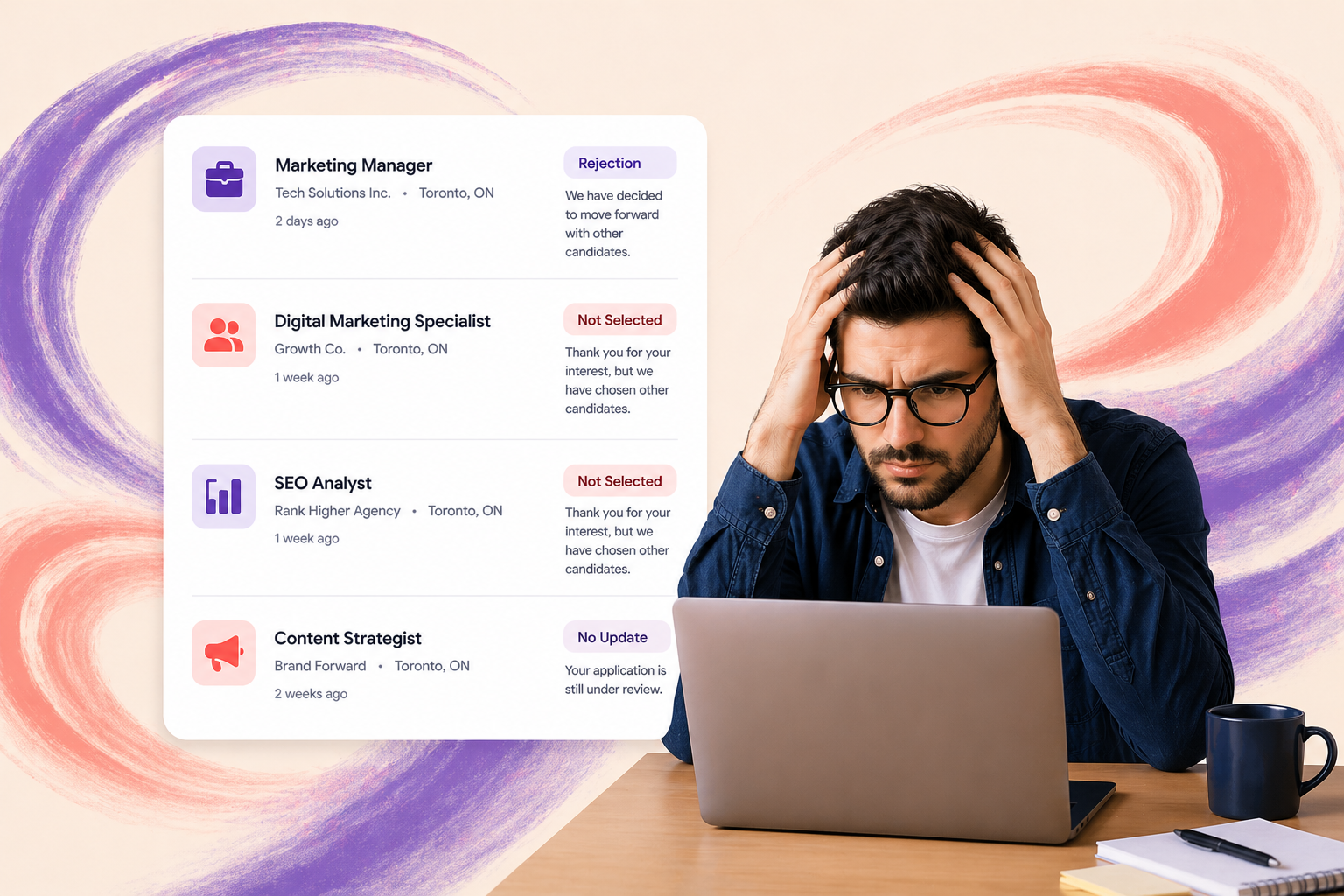
Writing, design, coding, customer support – the tasks that used to be how you got your foot in the door are increasingly being done by tools that are faster and cheaper. The entry-level roles that still exist are flooded with applicants. I’ve seen it with people I know personally.
Smart, motivated people who would have had no trouble landing something a few years ago are now sending out application after application and hearing nothing back. The competition is a completely different game.
Technical SEO is being hit the hardest
Technical SEO only appears in 6% of job listings.
A few years ago, knowing your way around site audits, crawl errors, page speed, and structured data was a core part of what made you valuable. Not anymore.
AI tools are handling a big chunk of that work now.
Automated auditing, on-page recommendations, flagging technical issues – a lot of that has been absorbed into platforms.
The human is still needed to make decisions, but the hands-on execution layer has thinned out significantly.
If your entire SEO skillset is built on technical work, that’s worth paying attention to.
AI now exists in the job description
31% of senior SEO listings mention AI directly. Nearly 10% specifically ask for familiarity with large language models.
My take on this? Knowing how to use AI is just part of the job now – in every field, at every level. The people who are going to do well aren’t the ones who treat it as a threat.
They’re the ones who figure out how to use it to get better results faster.
In SEO specifically, that means using AI to speed up research, scale content, analyze data more efficiently, and stay ahead of how search itself is changing. Google is already surfacing AI-generated answers. ChatGPT is becoming where people go to find things. An SEO professional who doesn’t understand how that works is already behind.
The good news is this is learnable.
You don’t need a technical background. You need to actually use the tools, understand what they’re good at and figure out where human judgment still matters more. That gap, knowing when to trust the tool and when to override it, is where a lot of the value is right now.
The Money Has Moved Upward
Median salary for senior SEO roles hit $130,000. For other positions it’s $71,630. Nearly double.
That gap tells you exactly how companies are thinking about SEO right now. Strategy is valued and execution is being automated.
If you want to grow your earning potential in this field, the path runs through experimentation, cross-functional leadership, and being able to connect search performance to real business outcomes. Project management shows up in over 30% of listings. Communication skills rank near the top at both levels.
Companies want people who can direct strategy and own results. Not just optimize pages.
So What Do You Actually Do With This?
If you’re trying to break in right now, it’s genuinely harder than it was.
What I’d focus on: get comfortable with AI tools and be able to show how you use them. Build in public if you can. Write about what you’re learning, document your thinking, make your work visible before you even apply.
If you’re already working in SEO, the shift toward strategy and experimentation is real. The job is becoming less about doing tasks and more about owning outcomes. The sooner you position yourself that way, the better off you’ll be.