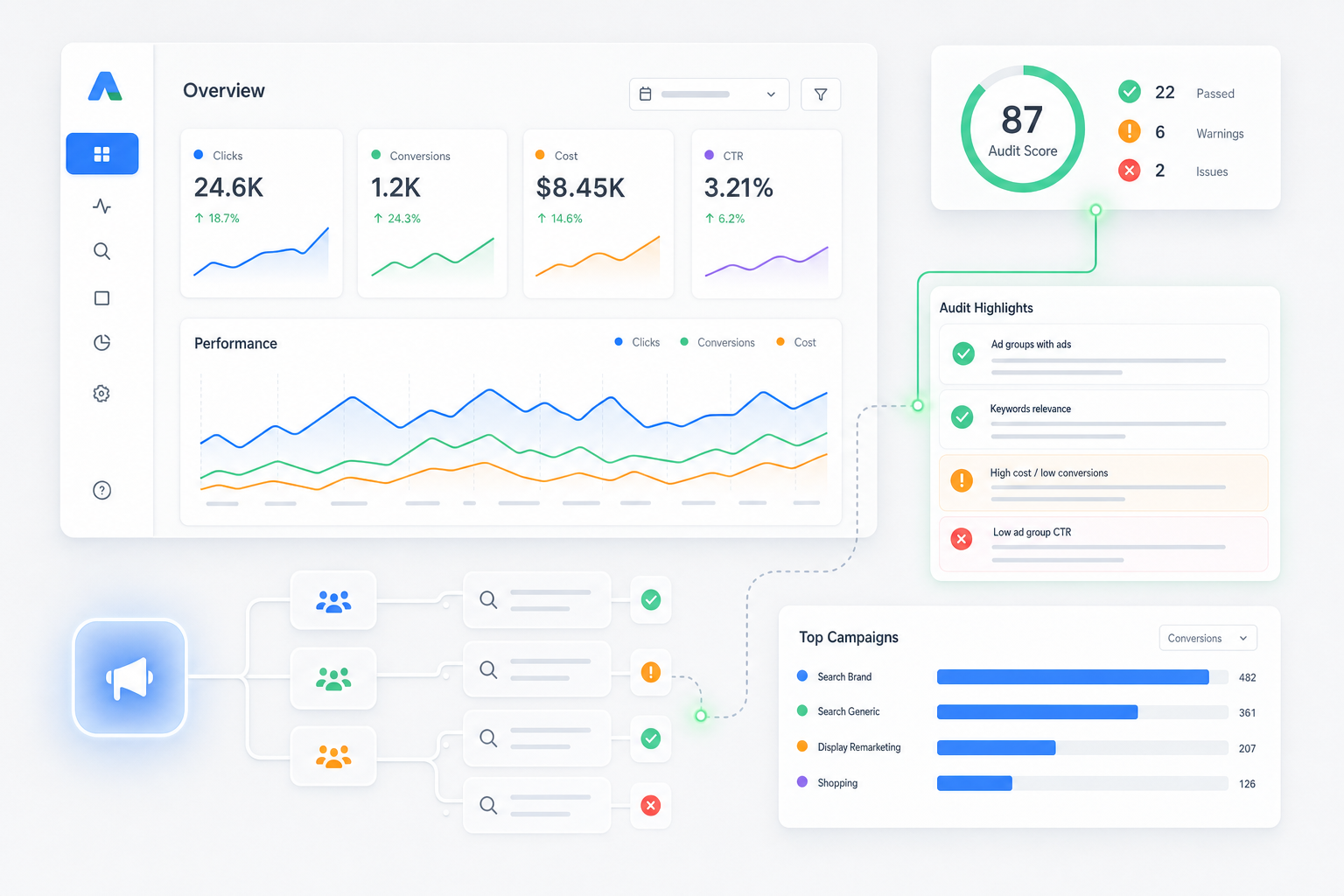
Artificial intelligence is changing how we approach search engine optimization. AI SEO tools are not just fleeting trends; they are becoming essential components of a modern digital strategy. This guide moves beyond simple tool reviews, offering a strategic, step-by-step framework for how to effectively use AI tools in SEO.

It focuses on integrating these technologies into your workflow, extracting actionable insights, and driving measurable results. For any performance marketing agency, understanding and applying these strategies is no longer optional. This guide provides a clear path to leveraging AI for smarter optimization, positioning you to lead in an evolving digital landscape.
Prerequisites for Using AI SEO Tools Effectively
Before you dive into the array of AI tools for SEO, it helps to have a solid foundation. These tools amplify existing efforts, but they don’t replace core SEO understanding. You should possess a fundamental grasp of SEO principles, including how keyword research works, the basics of on-page optimization, and an awareness of technical SEO factors like site speed and mobile-friendliness.
Access to standard SEO platforms and analytics tools is also important. This means having Google Search Console set up, Google Analytics (or an equivalent) configured, and potentially a subscription to a comprehensive SEO platform like Ahrefs or SEMrush. These traditional tools provide the baseline data that AI tools often build upon or integrate with. Without this data, the AI has less to work with, limiting its effectiveness. Think of it this way: AI tools in SEO are powerful engines, but you still need a well-maintained vehicle to put that engine in.
An intermediate understanding of content creation and digital marketing helps too. When AI generates content suggestions or optimizes existing text, your human expertise is still needed to refine, fact-check, and ensure the output aligns with your brand’s voice and strategic goals. The best approach involves combining the analytical power of AI with human creativity and strategic oversight. Effective application of AI tools in SEO means you’re prepared to interpret and guide the AI’s output, not just accept it at face value.
Step 1: Identifying Your SEO Goals and Needs
Before you even consider which AI SEO tools to use, you need a clear understanding of your specific SEO objectives. This isn’t about generically wanting to “rank higher”; it’s about defining precise, measurable goals that AI can realistically help you achieve. Are you struggling with keyword research, consistently missing opportunities for high-volume, low-competition terms? Is your content falling flat, failing to engage readers or convert visitors? Perhaps you suspect technical issues are holding your site back, but you lack the resources to conduct thorough audits.
Identifying these pain points will dictate the type of AI assistance you need. For example, if your primary goal is to improve content performance, you might look for SEO strategy tools that excel in content optimization, such as those that analyze competitor content, suggest semantic keywords, or even generate initial content outlines. If technical SEO is your hurdle, you’ll need AI-powered SEO tools capable of rapid site audits, identifying broken links, crawl errors, or indexing issues. AI doesn’t “do” SEO on its own; it serves as a powerful co-pilot, making your human efforts more targeted and efficient. By clearly outlining what you want to achieve, you can then move on to selecting the right AI solutions to get you there, focusing on tools that offer specific solutions rather than generic promises.
Step 2: Selecting the Right AI SEO Tools for Your Goals
With your SEO goals clearly defined, the next step involves choosing the ai seo tools that best align with those objectives. The market is full of options, but not every tool fits every need. Instead, approach tool selection by first understanding what specific problem you’re trying to solve or what aspect of your SEO strategy you want to enhance.
Different AI tools for SEO offer distinct functionalities. For content creation and optimization, platforms like Surfer SEO and MarketMuse use AI to analyze top-ranking content, providing recommendations for keywords, structure, and readability to improve your own pieces. Tools like Jasper AI or ChatGPT can assist with generating initial content drafts, headlines, or meta descriptions, significantly speeding up the content pipeline. For more advanced keyword research and competitive analysis, platforms like Ahrefs and SEMrush are integrating more AI features to identify opportunities and predict trends.
When selecting, consider the following:
- Specific Functionality: Does the tool solve your identified problem directly?
- Integration: How well does it fit with your existing SEO stack and workflow?
- Accuracy & Reliability: Does it provide consistently useful and trustworthy insights?
- Scalability: Can it handle your current needs and grow with your business?
- Cost-Effectiveness: Does the return on investment justify the expense?
There isn’t one “best AI tool for SEO” that fits everyone. The optimal choice depends entirely on your specific goals and resources. For instance, a small business focusing on local content might find different AI tools beneficial than an enterprise managing a global e-commerce site. Always test tools where possible through free trials to ensure they meet your practical requirements before committing.
Step 3: Integrating AI Tools into Your Workflow
Successfully adopting ai-powered SEO tools isn’t just about buying them; it’s about embedding them strategically into your daily operations. The goal isn’t to replace your existing team or processes entirely, but to augment them, making your human experts more efficient and effective. Start by identifying specific points in your current workflow where AI can provide the most leverage.
For content creation, integrate AI early. Instead of staring at a blank page, use an AI tool like Jasper AI or ChatGPT to generate initial outlines, brainstorm topic ideas, or even draft paragraphs based on your brief. A platform like Surfer SEO can then analyze the draft against top-ranking competitors, providing real-time suggestions for keyword density, word count, and content completeness. Your human writers can then refine these AI-generated outputs, adding nuance, unique insights, and brand voice that only a human can provide. This saves time on initial groundwork, allowing your team to focus on quality and creativity.
In keyword research, AI tools can quickly identify long-tail opportunities, cluster related terms, and analyze search intent at scale, tasks that would be incredibly time-consuming manually. Use Ahrefs’ AI features or similar tools to get a broad overview and granular suggestions, then have your SEO specialists validate these insights against market knowledge and strategic priorities. For technical SEO, AI can rapidly scan large sites for common issues like broken links, duplicate content, or crawl errors, providing an immediate list of priorities. Your technical SEO team can then focus their expertise on diagnosing complex problems and implementing solutions, rather than spending hours on initial detection. This hybrid approach ensures you’re maximizing the strengths of both AI and human intelligence.
Step 4: Analyzing AI-Generated Insights and Taking Action
AI tools in SEO are designed to deliver insights, but their true value emerges when you critically analyze these outputs and translate them into concrete actions. AI excels at processing vast amounts of data and identifying patterns that might escape human notice, but they lack the strategic foresight and nuanced understanding of human experience. Therefore, a critical, human eye is indispensable.
When an AI tool like Surfer SEO provides content suggestions, don’t blindly follow every recommendation. Review its keyword suggestions for relevance and natural language integration. If it suggests a keyword that feels forced or unnatural, adjust it. Similarly, if an AI-powered audit flags numerous “issues,” evaluate each one in context. A duplicate content warning might actually be for intentionally similar pages (e.g., product variations) that don’t warrant immediate overhaul, or it might point to a serious canonicalization problem. Your expertise dictates the nuance.
To take action effectively, create a clear framework:
- Validate: Cross-reference AI insights with your own market knowledge, historical data, and other SEO tools.
- Prioritize: Not all AI recommendations carry equal weight. Focus on those with the highest potential impact on your goals.
- Plan: Develop specific, actionable steps based on validated and prioritized insights. For example, if AI identifies a content gap, plan to create a detailed content brief using the AI’s keyword suggestions, but ensure a human writer crafts the final piece.
- Implement: Put your plans into motion, whether that’s optimizing a page, fixing a technical error, or creating new content.
Remember that AI provides data-driven recommendations, but it’s your strategic judgment that turns those recommendations into successful outcomes. This critical analysis ensures you’re leveraging AI for smarter optimization, not just automated busywork.
Step 5: Measuring the Impact and Iterating
The final step in mastering AI SEO tools is to rigorously measure the impact of your actions and continuously iterate. Implementing AI-assisted strategies isn’t a one-time fix; it’s an ongoing process of refinement. Without clear metrics, you won’t know if your AI investment is truly paying off or if adjustments are needed.
Start by identifying the Key Performance Indicators (KPIs) relevant to your initial SEO goals. If your goal was improved content performance, track organic traffic to the optimized pages, keyword rankings, time on page, and conversion rates. For technical SEO improvements, monitor crawl errors, site speed metrics, and indexing status. Use tools like Google Analytics and Google Search Console to monitor these changes over time. Attributing specific gains directly to AI-assisted efforts can be challenging, but comparing performance before and after implementing AI-driven strategies provides valuable insights.
Embrace an iterative approach. If an AI-suggested content optimization doesn’t yield the expected results, review the data. Was the AI’s recommendation flawed, or was the human execution insufficient? What could be done differently? This feedback loop is crucial for refining your use of AI tools. For a lead generation focused campaign, pay close attention to the quality of traffic and conversions from AI-optimized channels. Don’t be afraid to A/B test different AI outputs or strategies. This continuous measurement and adjustment ensure that you’re not just using AI, but truly optimizing its application for the best possible outcomes.
Looking ahead to 2026 and beyond, the question “Is SEO dead or evolving?” is answered clearly: it’s evolving rapidly. AI is not killing SEO; it’s transforming it, demanding a more strategic, data-driven, and adaptive approach from practitioners. Those who master the integration of AI tools will be best positioned for future success.
Mastering AI SEO tools means approaching them with purpose, integrating them intelligently, and evaluating their impact critically. By following these steps, you move beyond simply understanding what AI tools are to actively leveraging them for smarter optimization. The future of SEO isn’t just about the tools themselves, but how strategically you apply them to achieve your business objectives. Start with clear goals, choose wisely, integrate deliberately, and always measure for continuous improvement.