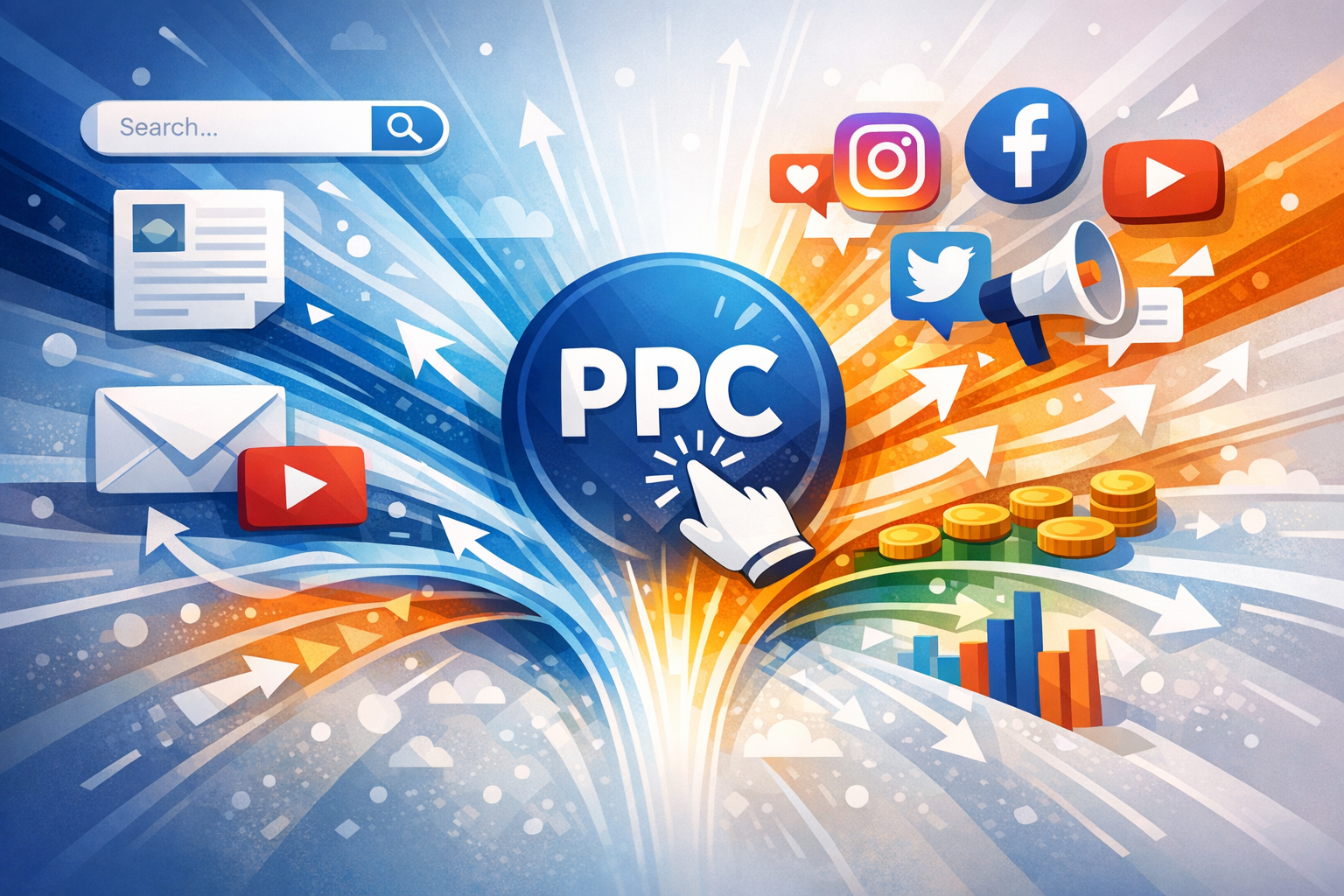
In today’s digital landscape, relying on a single marketing channel often means leaving opportunities on the table. While PPC (Pay-Per-Click) campaigns can deliver immediate results and highly targeted traffic, their true power emerges when they’re not operating in a silo. Integrating PPC with other digital marketing channels creates a cohesive, powerful strategy that drives more efficient lead generation, stronger brand visibility, and ultimately, sustainable business growth. It’s about making your entire marketing ecosystem work together, not just individual parts.
This article explores seven tactical ways to blend your PPC efforts with other channels, moving beyond basic ad management to a holistic approach. Whether you’re focused on PPC for small businesses or leading a larger team, these strategies show how a coordinated effort can amplify your reach and improve ROI across the board.

Methodology: How We Chose These Integration Strategies
This listicle was developed by analyzing top-ranking PPC content, business context, and identifying a strategic gap in integrating PPC with other digital channels. Items were selected based on their potential to offer actionable insights and demonstrate synergistic benefits.
Quick Reference List
- Integrating PPC with SEO for Enhanced Visibility and Traffic
- Synergizing PPC with Content Marketing for Lead Nurturing
- Leveraging PPC with Social Media Marketing for Targeted Reach
- PPC Agency Toronto vs. In-House PPC: Making the Right Choice
- Optimizing Landing Pages for PPC Campaigns
- Integrating PPC with Email Marketing for Nurturing and Retention
- Measuring PPC Success in the Context of Broader Business Goals
Integrating PPC with SEO for Enhanced Visibility and Traffic

Leverage PPC to boost SEO efforts by targeting relevant keywords, improving click-through rates, and driving initial traffic that can signal authority to search engines.
When executed strategically, PPC and SEO aren’t competing forces, but powerful allies. Paid ads can immediately capture traffic for high-intent keywords, while SEO builds long-term organic authority. Use PPC data to inform your SEO keyword strategy, identifying terms that resonate with your audience. Conversely, SEO success can reduce reliance on paid spend over time.
Consider using PPC campaigns to test new keywords or landing pages before investing heavily in organic optimization. The insights gained from PPC performance—such as conversion rates and user engagement—can significantly refine your SEO strategy, ensuring your organic efforts are focused on the most profitable terms. You can also explore various PPC planning tools to help streamline this process. This symbiotic relationship ensures a comprehensive online presence, capturing users at every stage of their journey.
Pros
- Immediate traffic and lead generation
- Data-driven keyword and content insights for SEO
- Enhanced brand visibility across search results
- Improved overall search presence and authority
Cons
- Requires careful coordination to avoid cannibalization
- Can be cost-intensive if not managed effectively
Key Features
- Keyword synergy analysis
- Landing page testing
- Budget allocation across channels
- Performance tracking and alignment
Best For
Businesses looking to dominate search engine results pages (SERPs) for key terms and maximize their online visibility.
Synergizing PPC with Content Marketing for Lead Nurturing

Amplify content marketing reach by using PPC to promote valuable assets like e-books, webinars, and blog posts to highly targeted audiences.
Content marketing builds authority and engages potential customers over time, but its reach can be limited without a promotion strategy. PPC ads can be instrumental in driving traffic to your cornerstone content, such as whitepapers, case studies, or in-depth guides. This allows you to capture leads who may not be ready to buy immediately but are interested in learning more.
By targeting specific demographics and interests with your PPC campaigns promoting content, you can ensure your valuable resources reach the most relevant audience. The leads generated can then be nurtured through email marketing and further content engagement, moving them further down the sales funnel. This creates a powerful engine for consistent lead generation and cultivation.
Pros
- Effective lead generation and qualification
- Amplifies the reach of valuable content assets
- Builds long-term customer relationships
- Educates and engages potential customers
Cons
- Requires strong content assets to be effective
- Lead nurturing process needs to be well-defined
Key Features
- Content promotion campaigns
- Lead magnet optimization
- Audience segmentation
- Nurturing workflows
Best For
Businesses that produce high-value content and want to use it as a lead generation tool.
Leveraging PPC with Social Media Marketing for Targeted Reach

Combine the precise targeting of social media platforms with PPC advertising for highly effective audience engagement and campaign ROI.
Social media platforms offer unparalleled granular targeting options based on demographics, interests, behaviors, and connections. When coupled with PPC ad spend, these platforms become potent engines for reaching niche audiences with tailored messages. You can run paid campaigns directly on platforms like Meta (Facebook/Instagram), LinkedIn, or X (formerly Twitter) to drive traffic, generate leads, or build brand awareness.
The synergy here lies in understanding your audience deeply across both platforms. Use insights from social media engagement to refine your PPC targeting parameters, and vice versa. For example, remarketing to users who have engaged with your social media content via PPC ads can significantly boost conversion rates. This integrated approach ensures your message hits home with the most receptive individuals.
Pros
- Hyper-targeted audience segmentation
- High engagement rates
- Cost-effective for niche audiences
- Direct campaign control and optimization
Cons
- Can be noisy due to high ad volume
- Platform algorithm changes can impact performance
Key Features
- Audience lookalike modeling
- Retargeting campaigns
- Interest-based targeting
- Custom audience creation
Best For
Businesses looking to reach specific demographic or interest groups with highly visual or engaging campaigns.
PPC Agency Toronto vs. In-House PPC: Making the Right Choice

Understanding the pros and cons of hiring a PPC agency versus managing campaigns in-house is critical for optimal resource allocation and campaign success.
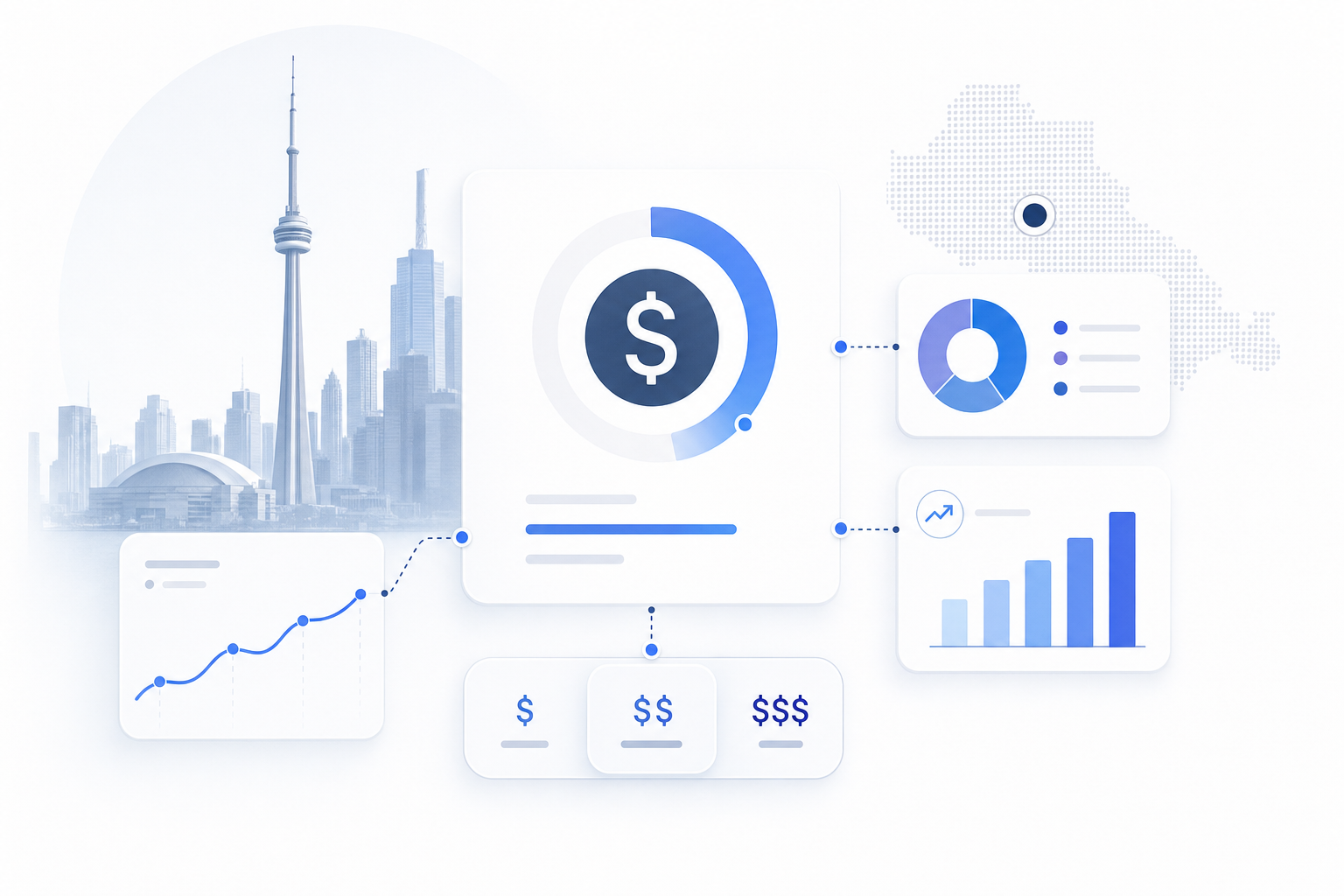
Deciding between an external PPC agency Toronto and an in-house team involves weighing factors like cost, expertise, scalability, and focus. Agencies bring specialized knowledge, access to advanced tools, and diverse industry experience, often leading to faster results and better ROI. They also offer scalability, allowing you to adjust campaign scope as needed.
Conversely, an in-house team offers direct control, deeper integration with internal brand knowledge, and potentially lower ongoing costs if managed efficiently. However, it requires significant investment in hiring, training, and maintaining expertise, which can be challenging, especially for small to medium-sized businesses. This internal document explores the critical considerations for making this strategic decision, ensuring alignment with business objectives and budget.
Pros
- Access to broad expertise and specialized tools
- Scalability and flexibility
- Objective, data-driven approach
- Reduced need for internal training and hiring
Cons
- Can be more expensive than in-house
- Requires effective communication and trust
- Less direct control over day-to-day operations
Key Features
- Cost-benefit analysis
- Expertise comparison
- Resource allocation strategies
- Agency vs. internal team management
Best For
Businesses needing expert PPC management but unsure whether to build an internal team or outsource.
Optimizing Landing Pages for PPC Campaigns

Ensure your PPC ad clicks convert by creating dedicated, high-converting landing pages that align with ad messaging and user intent.
A high-performing PPC campaign is only as good as the landing page it directs traffic to. Users clicking on your ads have a specific intent, and the landing page must meet that expectation immediately. This involves crafting clear, concise copy, a strong call-to-action (CTA), and a user-friendly design that minimizes distractions and guides visitors towards conversion.
Key elements include relevant headlines, persuasive copy that speaks directly to the ad’s promise, high-quality visuals, and a simple form or button. A/B testing different page layouts, headlines, CTAs, and offers is essential to continuously improve conversion rates. The goal is to create a seamless, persuasive experience that converts visitors into leads or customers. Effective high-converting landing pages are a cornerstone of successful PPC.
Pros
- Significantly improves conversion rates
- Enhances user experience
- Maximizes PPC ad spend efficiency
- Provides valuable insights for A/B testing
Cons
- Requires dedicated design and copywriting effort
- Continuous testing and optimization needed
Key Features
- A/B testing
- Conversion rate optimization (CRO)
- Compelling CTAs
- Message match
Best For
Any business running PPC campaigns looking to improve their return on ad spend (ROAS) by converting more visitors.
Integrating PPC with Email Marketing for Nurturing and Retention

Use PPC to grow your email list and re-engage subscribers, fostering loyalty and driving repeat business.
Email marketing remains a powerful channel for direct communication with prospects and customers. PPC can be a highly effective tool for building your email list by driving traffic to lead capture forms offering valuable incentives, such as discounts, exclusive content, or early access to products. This ensures a steady stream of qualified leads entering your email nurturing sequences.
Furthermore, PPC can be used for remarketing to existing email subscribers who may have lapsed or to promote special offers to your active list. By segmenting your email list and targeting specific groups with relevant PPC ads, you can re-engage inactive subscribers, encourage repeat purchases, and foster long-term customer loyalty. This integration ensures you’re communicating with your audience across multiple touchpoints.
Pros
- Expands email list with qualified leads
- Drives repeat purchases and customer loyalty
- Allows for highly personalized re-engagement campaigns
- Cost-effective for reaching an engaged audience
Cons
- Requires a well-segmented email list
- Careful audience segmentation for PPC targeting is crucial
Key Features
- List growth campaigns
- Subscriber re-engagement
- Promotional targeting
- Cross-channel communication
Best For
Businesses aiming to build strong customer relationships and drive repeat business through consistent engagement.
Measuring PPC Success in the Context of Broader Business Goals

Beyond standard PPC metrics, align campaign performance with overarching business objectives like customer lifetime value and overall revenue growth.
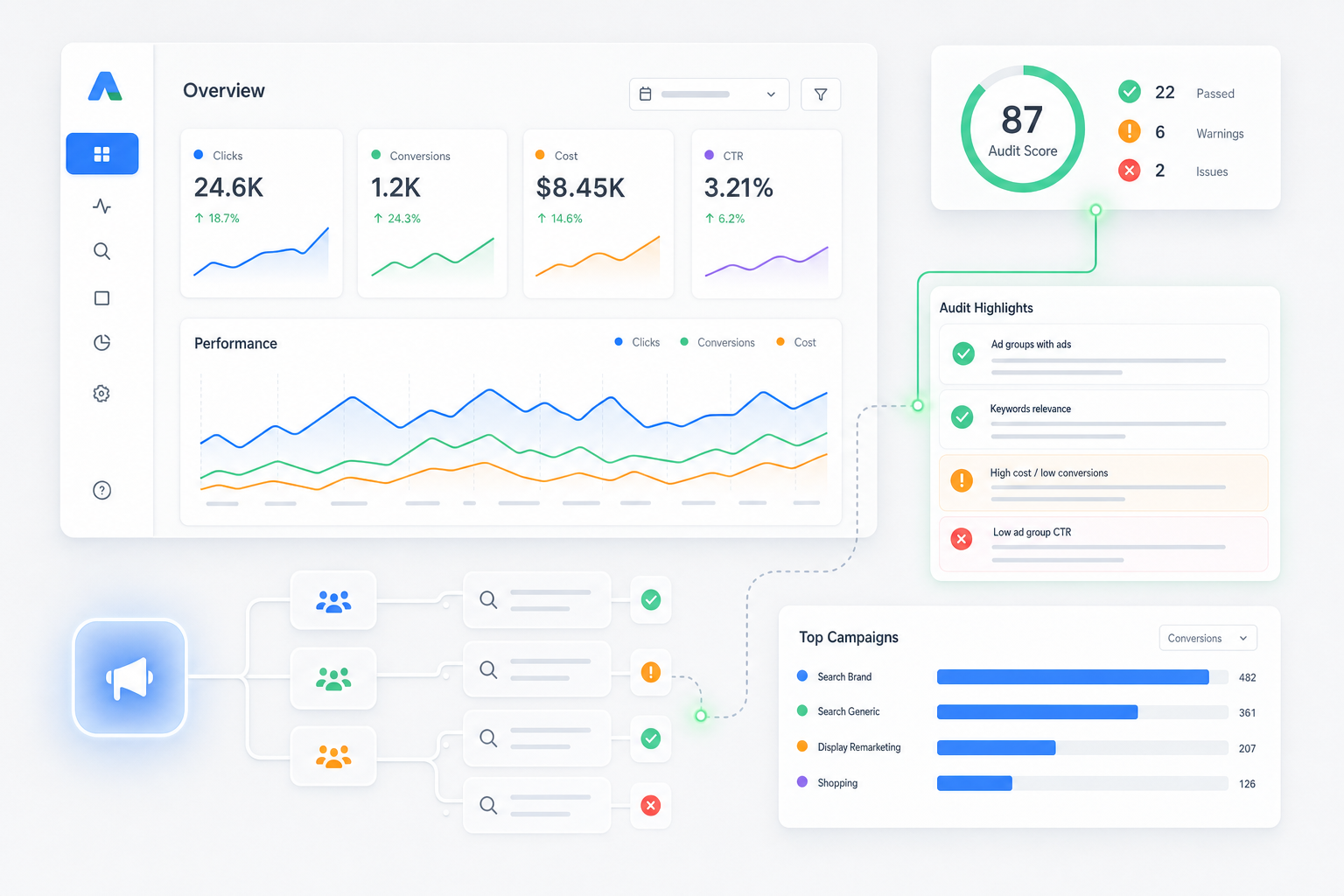
While metrics like click-through rates (CTR), cost-per-click (CPC), and conversion rates are vital for optimizing PPC campaigns, their true value is realized when measured against broader business goals. This means understanding how your PPC efforts contribute to customer lifetime value (CLV), overall sales revenue, market share, and profitability.
Integrating PPC data with CRM systems and sales data provides a holistic view. For instance, a campaign might have a slightly lower conversion rate but bring in customers with a significantly higher CLV. By focusing on these higher-level metrics, businesses can make more strategic decisions about PPC investment, ensuring it drives sustainable growth rather than just short-term transactional wins. This approach demands a deeper level of data analysis and cross-departmental collaboration.
Pros
- Aligns PPC with strategic business objectives
- Provides a more accurate measure of ROI
- Drives sustainable business growth
- Facilitates better cross-departmental collaboration
Cons
- Requires advanced analytics and data integration
- Can be complex to set up and track
- May require buy-in from multiple departments
Key Features
- Customer Lifetime Value (CLV) tracking
- Attribution modeling
- ROI analysis beyond initial conversion
- CRM integration
Best For
Growth-oriented businesses looking to ensure their PPC investments directly contribute to long-term profitability and market position.
Conclusion
Integrating PPC with your other digital marketing channels isn’t just an option; it’s a necessity for holistic growth. Each channel, from SEO to email marketing, plays a unique role, but their combined force can create a marketing engine far more powerful than any single component. By strategically linking your PPC efforts with content, social media, and a deep understanding of your business goals, you move beyond mere ad spend to creating a truly cohesive and impactful digital presence. The key is to see your marketing channels not as separate entities, but as interconnected parts of a unified strategy driving your business forward.